
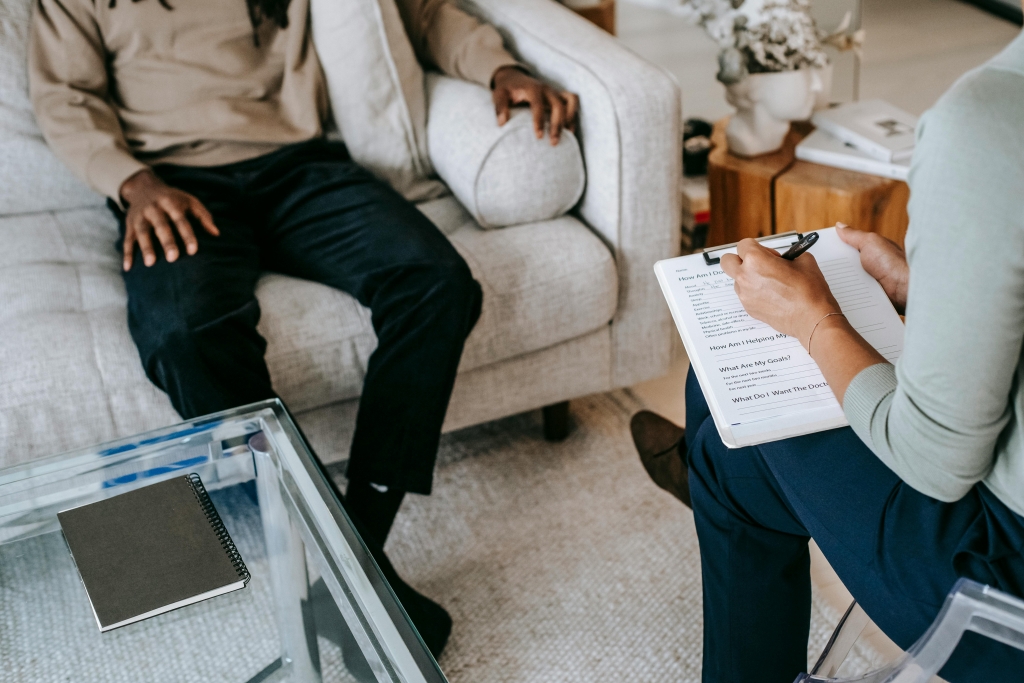
Couples Therapy in San Diego
Common Reasons Couples Seek Therapy
Are you struggling to communicate with your partner? Do the same arguments keep happening without resolution? We provide couples therapy in San Diego to help partners break destructive patterns, rebuild trust, and create the relationship you both want.
At San Diego Therapist Counselor, we’ve spent over 30 years helping couples move from conflict and disconnection to understanding and intimacy. We don’t believe in endless talking without progress. Our approach is direct, practical, and focused on teaching you the skills needed to resolve issues and strengthen your bond.
Why Couples Seek Therapy
Different communication styles, personality types, and personal histories add to the complexity of working through relationship issues. Sometimes those issues become too much for a couple to handle independently. Ongoing problems fuel resentment and dissatisfaction, which lead to more arguing, emotional withdrawal, and distance.
Common reasons couples seek our help:
- The same fights happen over and over without getting resolved.
- Trust has been broken through infidelity, lies, or betrayal.
- You feel more like roommates than romantic partners.
- Communication has broken down or leads to constant arguing.
- One or both partners feel unheard and misunderstood.
- Intimacy problems are creating distance and frustration.
- Past trauma is affecting current relationship dynamics.
- Major life changes are creating unexpected stress.
Depression, anxiety, and substance abuse can follow from or contribute to relationship problems. We specialize in helping people find healthy ways to deal with these issues before they destroy the relationship entirely.
How Couples Therapy Works
Sometimes you need a neutral third party to mediate, teach new skills, or diagnose the root cause of problems. We create structure for working out the issues you face while teaching practical techniques you can use immediately.
Our process:
We discuss your situation and determine if therapy is right for you.
We explore your relationship history, recurring patterns, and what you want to change.
Together we define concrete, realistic goals for your work.
You meet regularly to work through issues in a safe environment.
You apply what you learn to create real change.
Our counseling sessions allow each partner to talk about their thoughts, feelings, and behaviors in a safe, non-threatening environment. Couples therapy generally involves weekly meetings that run for a few weeks to several months, sometimes longer, depending on the severity of challenges you’re facing.
Evidence-Based Couples Therapy Methods
We use proven therapeutic methods backed by research. Our approach integrates the most effective strategies for relationship repair and growth.
This structured approach teaches you to use positive communication instead of contempt, criticism, defensiveness, and stonewalling (the four horsemen of relationship failure). The Gottman Method is one of the most researched approaches to couples therapy.
- How to fight fair without damaging the relationship
- Building friendship and intimacy in daily interactions
- Managing conflict without contempt or criticism
- Repairing after arguments instead of letting resentment build
This approach focuses on creating emotional safety for each partner. We help each person outline their emotional needs and how their partner can meet those needs. EFT is particularly effective for couples struggling with emotional distance or feeling disconnected.
- Identifying underlying emotions driving conflicts
- Expressing needs without blame or criticism
- Responding to your partner’s emotional bids
- Breaking negative interaction cycles
- Cognitive Behavioral Therapy (CBT)—Identifies and changes negative thought patterns that damage relationships
- Psychodynamic therapy—Examines how family history affects current patterns
- Imago relationship theory—Explores how early caregiver relationships influence partner selection and conflict
What Helps Couples Succeed?
Recent research indicates that 75% of couples who went through therapy are better off because of it. However, success requires commitment from both partners.
Three keys to successful couples therapy:
- Commitment to being open, honest, and present in each session
- Doing assigned homework and practicing new skills between sessions
- Defining concrete goals and focusing on them consistently
The first step is to decide on counseling and commit to it. If you can get your partner to at least attend an initial meeting, we can help get the other person involved and keep them interested.
When to Start Couples Therapy
Don’t wait until you feel like the relationship has reached crisis stage. Most issues in a relationship are easier to handle if both partners are involved in talking about them early.
Think of couples therapy as preventative maintenance:
- Address small issues before they become relationship-ending problems.
- Build communication skills during calm periods, not just during crises.
- Strengthen your foundation before major life transitions.
- Learn healthy conflict resolution before resentment builds.
While people think of couples therapy as something for married people, it also works for engaged couples or those planning to get married. Starting with strong communication skills helps you build a solid foundation.

Can Couples Therapy Help Save a Relationship?
Good couples therapy can, in time, help a couple heal relationship stress. A relationship on the verge of ending might take significant work to repair. Not every relationship can be saved by therapy, but if both parties are committed to the process, the odds of success go up substantially.
Therapy can be useful even in uncertain situations:
- Recommitment—Someone who commits to the counseling process may recommit to making the relationship work.
- Personal growth—Even if the relationship doesn’t work out, counseling provides opportunity for individual development.
- Clarity—You gain understanding about whether you’re willing to do the work required or if it’s time to separate.
If one partner has little or no interest in therapy, you’ll find it impossible to make good progress. However, once they’re willing to participate, we can help the reluctant partner become more engaged.
Why Work with Jan Rakoff, LCSW?
As a Licensed Clinical Social Worker (LCSW) with over three decades of practice, Jan Rakoff has worked with hundreds of couples facing every type of relationship challenge. This extensive experience means we’ve seen the patterns you’re experiencing and know what strategies work.
We bring not just professional training but lived wisdom from a 40+ year marriage, raising children, and navigating the same life transitions our clients face. This combination of clinical expertise and personal experience provides insight into relationship dynamics at every life stage.
We provide honest feedback and clarity when you need it most. Our style is warm and validating without being overly soft or enabling. We challenge both partners to grow while creating a safe space for vulnerability.
We offer both in-person sessions and confidential online therapy through secure video platforms for couples who need flexibility due to travel, illness, or scheduling conflicts.
How to Get the Most from Couples Therapy
You can make therapy sessions more productive if you keep these guidelines in mind:
- Build trust with your therapist— In the beginning, it can be hard to share all of your pains, failures, and insecurities, but you’ll need to open up over time.
- Feel understood—Your discussions with us should make you feel heard while challenging you to grow.
- Stay open-minded—This helps you build trust, make yourself understood, and create realistic goals.
- Do the homework—You may be assigned journaling, communication exercises, or reading materials between sessions.
- Focus on your part—Therapy works when each person focuses on what they can change about their behavior.
Some people worry that therapy will lead to the end of a relationship. This should never happen. We’re here to facilitate discussion and problem-solving, not to share judgment about your relationship’s future.
Start Rebuilding Your Relationship
SCHEDULE TODAY
Relationships take constant work, and good communication is one of the most common challenges that couples face. When partners don’t talk effectively, one or both experience frustration, anxiety, anger, and emotional distance.
Counseling is an effective and efficient way to overcome relationship challenges or to prevent them. Don’t wait for a serious problem to emerge. We have many years of experience helping couples in San Diego work on understanding, intimacy, and trust.
Schedule a consultation today to begin creating the relationship you both deserve.
Frequently Asked Questions About Couples Therapy in San Diego
What happens in the first couples therapy session?
We ask about your relationship history, any recurring communication issues, and your goals for counseling. We help you and your partner frame tangible and realistic goals for your work together.
Does couples therapy work if my partner doesn’t want to go?
Occasionally. Getting your partner to attend at least an initial meeting is often enough. Once they’re willing to participate, we can help engage the reluctant partner more fully.
How long does couples therapy take to work?
Couples therapy generally involves weekly meetings that run for a few weeks to several months, sometimes longer. The length depends on the severity of challenges you’re facing and how consistently you practice new skills.
Will you tell us to break up if our relationship is bad?
No. We’re here to facilitate discussion and problem-solving, not to share judgment about your relationship’s future. You make decisions about your relationship.
What if we’ve tried therapy before and it didn’t work?
Different therapists use different approaches. We can discuss what happened in previous therapy and try different strategies that may work better for you.
Is couples therapy only for married couples?
No. Couples therapy works for married couples, cohabitating couples, engaged couples planning to get married, and partners at any stage of a committed relationship.