
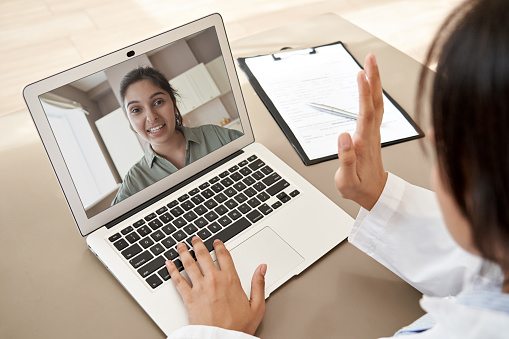
Virtual teletherapy has transformed the way people receive mental health services. It offers unparalleled convenience by allowing individuals to seek help from any location that provides them comfort and privacy. But beyond its accessibility, it’s also an effective method that’s been shown to offer the same quality of care as in-person therapy. And, surprisingly, some find it even better on account of the buffer a screen provides, facilitating open dialogue without the intimidation of direct face-to-face interaction. This mode of therapy nudges us to rethink traditional therapeutic practices.
Virtual teletherapy offers convenient access to mental health services, eliminating transportation and travel-related costs, reducing stigma, and providing comparable positive results to face-to-face treatments. It allows individuals to receive therapy from the comfort of their homes, ultimately promoting acceptance of treatment and fostering healthier outcomes.
Overview of Virtual Teletherapy
Imagine being able to access support and guidance from a mental health professional without having to leave the comfort of your home. Virtual teletherapy makes that possible, allowing individuals to connect with therapists through digital platforms like video calls, phone calls, or messaging. This level of flexibility and accessibility has significantly expanded the reach of mental health care, breaking down barriers related to distance, mobility, and busy schedules.
Consider the impact on individuals who may live in remote areas with limited access to mental health resources. Virtual teletherapy enables them to receive the support they need without having to travel long distances or relocate to be closer to a therapist’s office. The same goes for individuals with physical disabilities or mobility challenges. They can now access therapy without the additional stress of commuting or navigating physical spaces that may pose difficulties.
Furthermore, virtual teletherapy allows for a sense of privacy and control over one’s environment during therapy sessions. This can be particularly beneficial for individuals who may feel anxious about visiting a traditional therapist’s office. Being able to engage in therapy from a familiar and comfortable setting can help promote a sense of ease and openness during sessions.
Let’s consider a scenario where a busy professional struggles with high levels of stress and anxiety due to work-related pressures. With virtual teletherapy, they can schedule therapy sessions during brief breaks in their day without having to worry about travel time to and from a therapist’s office. This convenience not only makes it easier for them to prioritize their mental health but also eliminates potential barriers that might have prevented them from seeking traditional in-person therapy.
The evolution of virtual teletherapy has not only improved accessibility but has also reshaped the way individuals engage with mental health care. The ability to connect with a therapist from any location using digital platforms has made significant strides in minimizing the limitations that were once associated with accessing therapy.
Now that we’ve uncovered the transformative impact of virtual teletherapy on mental health care accessibility and engagement, let’s take a deeper look into the inner workings of virtual mental health services.
The Workings of Virtual Mental Health Services
When you choose to engage in virtual mental health services, you open up channels that can lead to meaningful and life-changing transformations. But how do these virtual mental health services actually work? Let’s break down the key components that make it all happen.
Communication Channels
Virtual mental health services are made possible through a variety of communication channels such as video conferencing platforms, secure messaging apps, and phone calls. These channels serve as the bridge between therapists and their clients, allowing for therapy sessions to be conducted remotely. Imagine sitting in the comfort of your home, yet still being able to connect with your therapist on a secure video call. It’s like having your therapist right there with you, even though you’re miles apart.
One of the most significant aspects of these communication channels is the sense of safety and privacy they provide. Clients can share their deepest thoughts and emotions knowing that the platform they’re using is secure and that their confidentiality is being strictly maintained. This sense of security paves the way for open and honest conversations, creating a safe space for clients to truly explore their innermost concerns.
Therapist Qualifications
Just like in-person therapists, those offering virtual mental health services must adhere to the same professional standards and ethics. It’s imperative that no matter the format of therapy, clients receive the same level of care and expertise from their therapists. Additionally, therapists need to ensure that the platforms they use are compliant with patient confidentiality and data protection regulations. Remember, your privacy and well-being are top priorities, and therapists are committed to upholding these standards even in a virtual setting.
For example, when choosing a therapist for virtual therapy sessions, it’s essential to inquire about the technology and platforms they use for communication. Knowing that your therapist values your privacy and uses secure, compliant platforms can give you peace of mind as you embark on your therapeutic journey.
These qualifications and technological considerations underscore the importance of informed decision-making when seeking virtual mental health services. By choosing a qualified therapist who prioritizes your privacy and uses secure communication channels, you’re taking proactive steps towards receiving effective, high-quality care regardless of the mode of delivery.
With a clear understanding of how virtual mental health services operate, let’s further explore the impact they have on enhancing accessibility and promoting positive outcomes for individuals seeking mental health support.
Advantages of Online Counseling
When it comes to receiving mental health care, accessibility is essential. With virtual teletherapy, individuals facing limitations such as those living in remote areas or with physical disabilities can access therapy that might have been out of reach before. It’s a game-changer for those who couldn’t easily travel to an office for face-to-face counseling sessions, meaning more people than ever can connect with the mental health support they need, regardless of geographic location.
In addition to accessibility, flexibility shines as a top advantage of online counseling. The ability to schedule appointments more conveniently leads to consistent attendance and engagement in therapy sessions. By finding times that better fit their daily routines and obligations, clients don’t have to worry about rearranging their entire day just to seek help. This convenience might seem small but it has a big impact on ensuring that individuals can prioritize their mental health without creating additional stress.
Comfort and privacy are often underrated benefits of online counseling. The ability to receive therapy from the comfort of one’s own environment can foster a sense of security and openness. This level of comfort is particularly beneficial for individuals dealing with anxiety or agoraphobia, who might find it challenging to leave their home for in-person therapy sessions. Being in surroundings they are familiar and comfortable with allows clients to be more themselves and focus on the important work of the therapy session.
By considering these primary advantages, it becomes apparent that online counseling offers a multi-faceted approach to support individuals in overcoming obstacles as they strive towards improved mental well-being.
As we navigate the landscape of online counseling, it’s crucial to weigh certain factors that play a pivotal role in shaping the experience. Now, let’s turn our attention to exploring these essential considerations before opting for virtual teletherapy.
Essential Factors Before Opting for Virtual Teletherapy
Before embarking on your virtual therapy journey, several crucial factors need consideration. Let’s start with the technological side of things.
Technological Requirements
Having a reliable internet connection is critical for maintaining a smooth, uninterrupted session. Picture this: you’re in deep conversation with your therapist, and suddenly, your connection drops—extremely disruptive and distressing. So, always ensure you have a stable internet connection.
A compatible device is equally important. Whether it’s a computer, tablet, or smartphone, using a device that works well with the chosen teletherapy platform ensures a seamless experience. It’s like choosing the right tool for the job; having the appropriate equipment makes everything so much easier.
Confidentiality and Security
Confidentiality and security are non-negotiable when it comes to virtual teletherapy. The protection of sensitive health information is paramount. Just as you wouldn’t want personal letters or conversations to be seen or heard by anyone else, the same applies to your therapy sessions. This emphasizes the importance of selecting a virtual therapy platform that complies with industry standards for privacy and security.
It’s essential to verify that the chosen virtual therapy platform is secure and abides by industry regulations about patient privacy. Just like how we lock our doors to safeguard our homes, it’s vital to ensure that our private and sensitive health information is safeguarded too.
Imagine sharing your innermost thoughts and feelings in therapy, only to later discover that your information wasn’t adequately protected—it’s a terrifying thought.
Ensuring that the chosen platform encrypts all data transmissions and adheres to strict privacy regulations brings peace of mind. Like having a confidential chat with a trusted friend behind closed doors, confidentiality is key in preserving the sanctity of each therapy session.
By taking careful consideration of these factors, individuals can set themselves up for a successful experience in virtual teletherapy where technology works seamlessly, and personal information remains secure and private.
Comparing Virtual and In-Person Therapy
When it comes to seeking therapy, understanding the differences between virtual (online) and in-person therapy is crucial in selecting the right fit for your individual needs. Both options have their distinct set of advantages and considerations, which are essential to weigh before making a decision.
Accessibility and Convenience
Virtual teletherapy stands out for its convenience, eliminating the need for travel time to and from an office. This makes it a more accessible option for individuals juggling busy schedules or facing transportation limitations. Connecting with a therapist from the comfort of your own space can remove barriers that might prevent seeking therapy in the first place.
Moreover, having a therapy session while sitting at home or during a lunch break at work is a massive plus, especially for those with demanding schedules. It’s like bringing the therapist’s office to you, wherever you may be.
Personal Connection
On the other hand, in-person therapy may carry a different weight due to the physical presence factor. A face-to-face meeting can foster a strong sense of personal connection that some individuals find particularly beneficial. Nonverbal cues – such as body language or facial expressions – can add depth to communication that may be more challenging to interpret virtually.
Ultimately, both modes of therapy have their unique strengths, catering to different preferences and situations. Understanding these differences allows individuals to make informed decisions based on what aligns best with their needs.
As we continue our exploration of virtual teletherapy, let’s further examine how these differences impact the effectiveness and outcomes of therapy sessions.
For more information about finding the right therapy for your needs, consider reaching out to professionals in this domain. Visit San Diego Therapist Counselor to connect with experienced therapists who can guide you through the process.